
- All Posts
- Med Diet
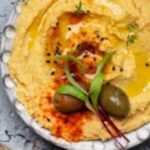
Creamy Homemade Hummus – A Brain‑Boosting Mediterranean Staple Delicious Homemade Hummus Recipe Why This Dish Supports Mental Health The Mediterranean diet is rich in foods that naturally support brain health and emotional balance. Chickpeas, tahini, olive oil, and lemon are packed with fiber, healthy fats, and antioxidants that reduce inflammation...
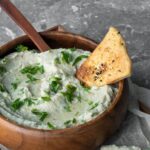
Baba Ghanouj – Mediterranean Diet Healing Through Simple, Whole Foods Why This Dish Supports Mental Health Eggplant, tahini, garlic, and lemon offer powerful antioxidants and healthy fats that support the gut‑brain connection. A healthy gut microbiome is closely tied to improved mood and reduced anxiety. This is part of...

Lemony Greek Rice Pilaf – Mediterranean Staple Lemony Greek Rice Pilaf – Comfort for the Body and the Mind Why This Dish Supports Mental Health Complex carbohydrates and protein stabilize blood sugar and promote steady serotonin production — critical for lifting mood and improving sleep. This is part of the...
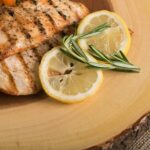
Grilled Chicken Shawarma – Comfort Food Mediterranean Diet Grilled Chicken Shawarma – Anti‑Inflammatory Comfort Food Why This Dish of the Mediterranean Diet Supports Mental Health Spices like turmeric, cumin, and ginger reduce inflammation, which has been linked to depression and mood disorders. Lean protein also supports neurotransmitter production. This is...

Fresh Classic Greek Salad – Mediterranean Diet Classic Greek Salad – Fresh Ingredients for a Brighter Mood Why This Dish Supports Mental Health Tomatoes, cucumbers, olives, and feta provide hydration, minerals, and healthy fats that protect brain cells and reduce inflammation. Fresh foods are closely linked with improved emotional clarity...